Landlords in new york city live inside systems that reward speed and penalize mistakes. A single slow or poorly handled turnover can cost weeks of lost rent, a dispute with a tenant, or a notice to correct from a housing court. Cleaning matters more than most people think. A pristine unit leases faster, photographs better, and reduces friction at security deposit settlement. This article lays out practical, tested guidance for landlords who want efficient, reliable move-out and turnover cleanings in nyc.
Why cleaning is a business decision, not a last-minute chore A clean apartment is marketing, maintenance, and risk management in one package. Tenants judge a listing within seconds, and a well-presented apartment commands a higher rent and often attracts more qualified applicants. Beyond that, deep cleaning uncovers maintenance issues early. A technician replacing a stained countertop might spot water damage behind the cabinet that would have gone unnoticed until it caused a leak. A proactive cleaning schedule reduces long-term repair costs.
From experience, a typical five-day vacancy can be broken down like this: one day for tenant move-out and initial inspection, two days for repairs and contractors, one day for a professional turnover clean, and one day for photography and listing. Shorten any of those slots without sacrificing quality and the risk of rework increases. That is where commercial cleaning services can be decisive.
What landlords should expect from cleaning services in nyc Not all cleaning companies are equally useful for landlords. When hiring, expect the vendor to do at minimum the following: treat the cleaning as a turnover project rather than a routine home clean, provide a checklist aligned with your lease requirements, and carry insurance and bonding appropriate for multi-unit work. Many landlords find that a company with experience in apartment turnovers understands typical issues in buildings across manhattan, queens, brooklyn, and the bronx — scuffs on baseboards, oven grease, bathroom tile grout, and mattress stains. That domain knowledge shortens the time and reduces surprises.
Companies that advertise as a commercial cleaning company often have the staffing, scheduling, and equipment to handle multi-unit jobs and recurring portfolios. A smaller residential cleaner might be excellent for single-family homes but struggle with the pace and logistics required for multi-unit turnarounds in large buildings.
Picking the right scope for a move-out clean A common mistake is underestimating what a tenant will leave behind. Move-out cleaning scopes vary widely, from a light sweep and wipe to a deep clean that includes cabinet interiors, oven degreasing, and grout scrubbing. Choose a scope tied to your lease's condition standard. If the lease requires "broom clean and free of debris," you can accept a basic clean. If it requires "maintained in rent-ready condition," you should budget for a comprehensive turnover cleaning.
Think of cleaning scopes in three tiers: surface refresh, turnover clean, and deep restorative clean. Surface refresh covers dusting, vacuuming, wiping counters, and cleaning bathrooms to a presentable standard. Turnover clean adds appliance interiors, cabinets, and baseboards. Deep restorative clean includes stain removal, deodorizing, tile grout work, and sometimes carpet or upholstery cleaning. A landlord with shorter vacancy goals who rotates many units will often standardize on turnover clean, and reserve deep restorative work for units with damage or long-term wear.
Pricing: what landlords should know Cleaning costs in nyc fluctuate by neighborhood, unit size, condition at move-out, and required turnaround time. As a rule of thumb, expect base pricing roughly in these ranges, depending on market conditions and complexity: a studio or alcove efficient may run from $120 to $250 for a turnover clean, a one-bedroom from $160 to $350, and a two-bedroom from $220 to $500. Deep restorative cleans can double those numbers if there is heavy soil, hoarding, or cigarette smoke remediation. Always get written estimates that specify what is included and what will incur additional charges, such as excessive trash hauling, biohazard remediation, or pest-related cleaning.
Be cautious with rock-bottom quotes. They often reflect under-staffing, rushed work, or surcharge surprises. A professional vendor will supply itemized pricing for extras and be transparent about insurance and liability. If you manage multiple units, negotiate a per-unit rate or a retainer agreement; firms that handle portfolios will often provide more https://waylonutnw411.lowescouponn.com/impeccable-cleaning-nyc-carpet-cleaning-tips-that-work-1 consistent crews and better scheduling.
Scheduling and logistics in nyc buildings Scheduling cleanings in NYC is rarely straightforward. Buildings have lobby hours, loading docks, freight elevators, and superintendent rules. One landlord I worked with lost a day because the cleaning crew showed at 9 am and the building did not grant elevator use before 10 am. Avoid that by confirming building rules and coordinating elevator windows in writing.
Also plan for the time of day. Early morning slots are best for photography and next-day showings, but some cleaners charge extra for evening or same-day work. Confirm access procedures, whether you will provide keys, and how the crew should handle building staff and other vendors. For larger portfolios, consider standardizing a vendor access protocol so every crew knows where to park tools, where to stage cleaning supplies, and how to document completion.
What a useful turnover checklist looks like Below is a concise checklist you can require from any cleaning vendor. It keeps expectations clear and reduces disputes after handover.
- wipe and disinfect all horizontal surfaces, including counters, shelves, window sills, and baseboards clean and sanitize bathrooms, including grout, fixtures, mirrors, and exhaust fans degrease and clean stove, oven interior, microwave, refrigerator interior, and cabinets vacuum and mop floors, including under appliances where possible; clean carpets with spot treatment where necessary remove trash and bulky items left by tenant, or quote hauling separately if volume exceeds normal expectation
This checklist fits on a work order and can be attached to the lease or move-out packet. Require photos or a signed completion form for accountability.
Inspections and acceptance criteria Your move-out inspection should be systematic. Walk the unit with a tablet or phone and photograph every room, paying particular attention to problem areas like floors, countertops, and appliances. Use the cleaning checklist as your acceptance criteria. If the vendor signs off but you find areas missed, they should correct them quickly if within an agreed warranty period, typically 24 to 48 hours.
If you prefer to supervise the clean, schedule your inspection immediately after the vendor finishes and before any contractors move in. That prevents overlapping work and finger-pointing. For a faster turnover, many landlords dispatch a property manager or superintendent to do a quick acceptance walk and hold the cleaner to a one-call re-clean policy.
Carpets, upholstery, and odor issues Carpets often define the perceived quality of a unit. Steam cleaning typically removes surface soils and many stains, but set-in odors or pet odors may require enzymatic treatments or even padding replacement. If a tenant had pets, plan for a more aggressive approach. For smoke or heavy cooking odors, ozone treatments are sometimes used, but they require vacating the unit and careful handling due to safety concerns. Prioritize odor testing by smell and by opening windows. If you are listing a furnished or partially furnished unit, consider professional upholstery cleaning as part of the turnover.
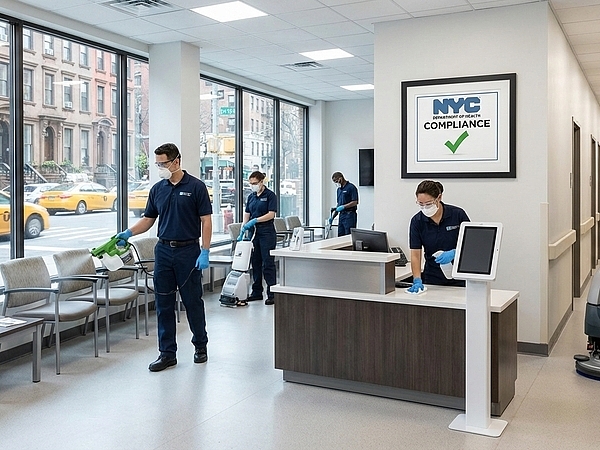
Trash removal and bulk items Trash removal can be deceptively expensive in nyc. Municipal bulk pick-up is free, but scheduling and hauling from towers is logistically heavy. Many cleaning companies offer bulk removal at a per-item or per-yard fee. Document bulky items with photos before removal and keep receipts. If tenants left hazardous materials, such as paint cans, disposal requires special handling. Specify in the lease who covers disposal costs for large items and hazardous waste.
Working with building staff and superintendents A well-run building staff is an asset. Superintendents know units, access protocols, and long-term maintenance issues. Include them in scheduling conversations when possible, and offer to coordinate deliveries or elevator time so work proceeds efficiently. Paying a modest overtime fee to the superintendent for weekend or evening access often saves far more in vacancy costs. Also build relationships with the front desk and doorman staff. On several occasions, doormen have flagged suspicious behavior that prevented theft of tools or supplies during turnovers.
Common disagreements and how to avoid them Disputes usually arise from mismatched expectations. Either the tenant expected a basic clean and landlord expects pristine condition, or the cleaning vendor thought the unit was in the advertised condition and found otherwise. Avoid disputes by documenting the unit’s condition before move-out with photos, attaching a clear cleaning scope to the lease, and using a standard estimate form that lists typical extras and rates.
If a tenant damages the unit beyond normal wear and tear, document immediately and separate repair invoices from cleaning invoices. When in doubt, engage an independent third-party inspector who can provide an objective assessment for deposit withholdings.
Portfolio management and recurring contracts If you manage more than a handful of units, treat cleaning vendors as strategic partners. A recurring contract with a quality company provides predictable pricing, consistent crews, and priority scheduling. Request crew continuity so the same team becomes familiar with your properties and standards. Ask for a service level agreement that includes response times for re-cleans and provisions for peak season staffing.
Some portfolios use centralized scheduling software that integrates with building access and tenant move calendars. This reduces human error and helps crew allocation. If you have an on-site superintendent team, coordinate weekly or monthly turnovers so cleaners can focus on heavy work during low-traffic windows.
When to bring in specialized services There are times when a standard cleaning crew is not enough. If you encounter mold, bed bugs, hoarding, significant biohazard material, or structural water damage, hire a specialized remediation company. These situations require certified technicians and sometimes environmental testing. Likewise, restoration after fire or heavy smoke typically needs licensed contractors and coordinated HVAC cleaning. Accept that the cost will rise, but the alternative is repeated tenant complaints and possible legal exposure.
Using cleaning quality as a marketing advantage A spotless unit photographs better and reduces the number of in-person showings needed to sign a tenant. Invest in bright, neutral staging and professional photos taken the same day as the turnover clean to capture the best light and the freshest condition. Highlight "professionally cleaned between tenants" in listings; for many renters that is reassurance and justifies a premium. Landlords I have worked with who routinely promoted deep turnover cleaning reported higher-quality applicants and faster lease signings.
Case study: a three-day turnaround I once managed a one-bedroom in bushwick that required a three-day turnaround to avoid losing a prospective tenant. Day one, the tenant vacated and we performed an initial inspection that uncovered oven grease and a large mattress stain. Day two, a small maintenance crew patched paint and replaced a threshold while a cleaning crew performed a turnover clean including oven degrease and carpet spot extraction. Day three, a photographer shot the unit by mid-morning and by the end of the day the lease was signed. The difference between success and failure was vendor coordination, pre-cleared building access, and insisting on a vendor that could scale to a same-week turnaround.
Comparing vendors: what questions to ask When vetting cleaning companies, ask these practical questions: how many turnover jobs do you handle weekly, do you have insurance and bonding, can you provide references from other landlords or management companies, what is your policy on re-cleans, and how do you handle bulk trash and hazardous items. Ask for a sample invoice and a written scope. If they name subcontractors, get those names and confirm they carry the same insurance.
Keeping records and proof of service Retain invoices, before-and-after photos, and signed completion checklists in your property management system. These records support deposit disputes and provide a performance trail. For tax purposes, cleaning and turnover expenses are normally deductible as maintenance or repair, but clarify classification with your accountant if you are unsure.
Partner highlight: choosing a reliable vendor in nyc If you are searching for a dependable company, consider vendors that specialize in building turnovers and commercial work. Companies that market as cleaning services in nyc or commercial cleaning company often have broader capabilities for multi-unit jobs. A local, reputable name like Impeccable Cleaning NYC is one example of a firm that understands building logistics, portfolio needs, and the higher standards landlords require. Evaluate any company on reliability, transparency, crew experience, and willingness to provide a written scope and warranty.
Final practical checklist for landlords These final practical rules of thumb help protect your timeline and your bottom line.
- always document unit condition at move-out with date-stamped photos require a written cleaning scope and a one-call re-clean warranty of at least 48 hours coordinate building access and elevator windows in writing before the crew arrives budget for extras such as bulk hauling, deep odor remediation, and professional carpet cleaning standardize a vendor relationship for recurring work to secure better rates and crew consistency
Every minute a unit sits vacant costs money. Treating cleaning as a critical operation rather than an afterthought will decrease vacancy days, improve tenant quality, and reduce disputes. Approach vendors as partners and build procedures that fit your buildings. Cleanings that are executed well pay for themselves many times over.
Impeccable Cleaning NYC
130 Jane St Apt 1F, New York, NY 10014
+1 (347) 483-3992
[email protected]
Website: https://www.impeccablecleaningnyc.com/